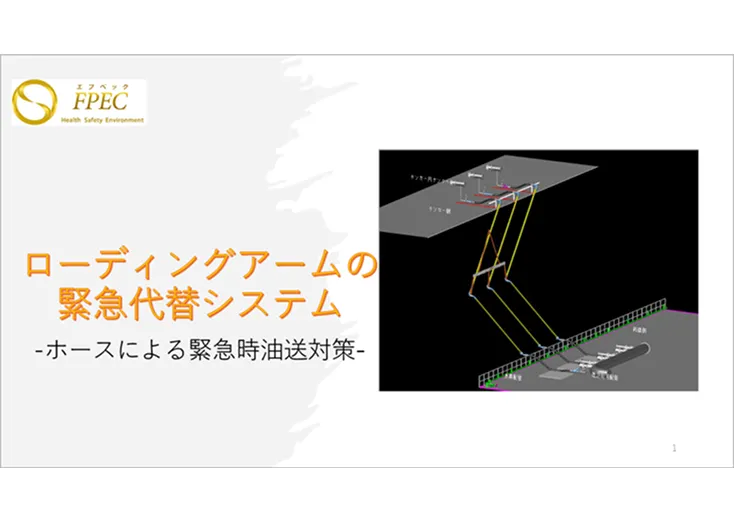

Loading arm using a hoseEmergency alternative system

overview

Loading arms are large pieces of equipment installed in coastal industrial complexes and large oil depots, and are essential for transporting large quantities of oil to ships.
In recent years, with the increasing frequency of natural disasters such as typhoons, floods, and earthquakes, damage to loading arms can lead to prolonged disruptions in the supply and delivery of petroleum and other fuels, significantly impacting business operations. As an emergency alternative system in such situations, we propose a new emergency refueling system utilizing ANGUS offshore hoses and swivel joints. Given the rising risk of major disasters, we urge you to consider this as a business continuity plan (BCP) measure.
Furthermore, since the Fire Service Act stipulates that steel pipes should be used in principle for piping containing hazardous materials, individual approval from the local fire department is required for implementation.

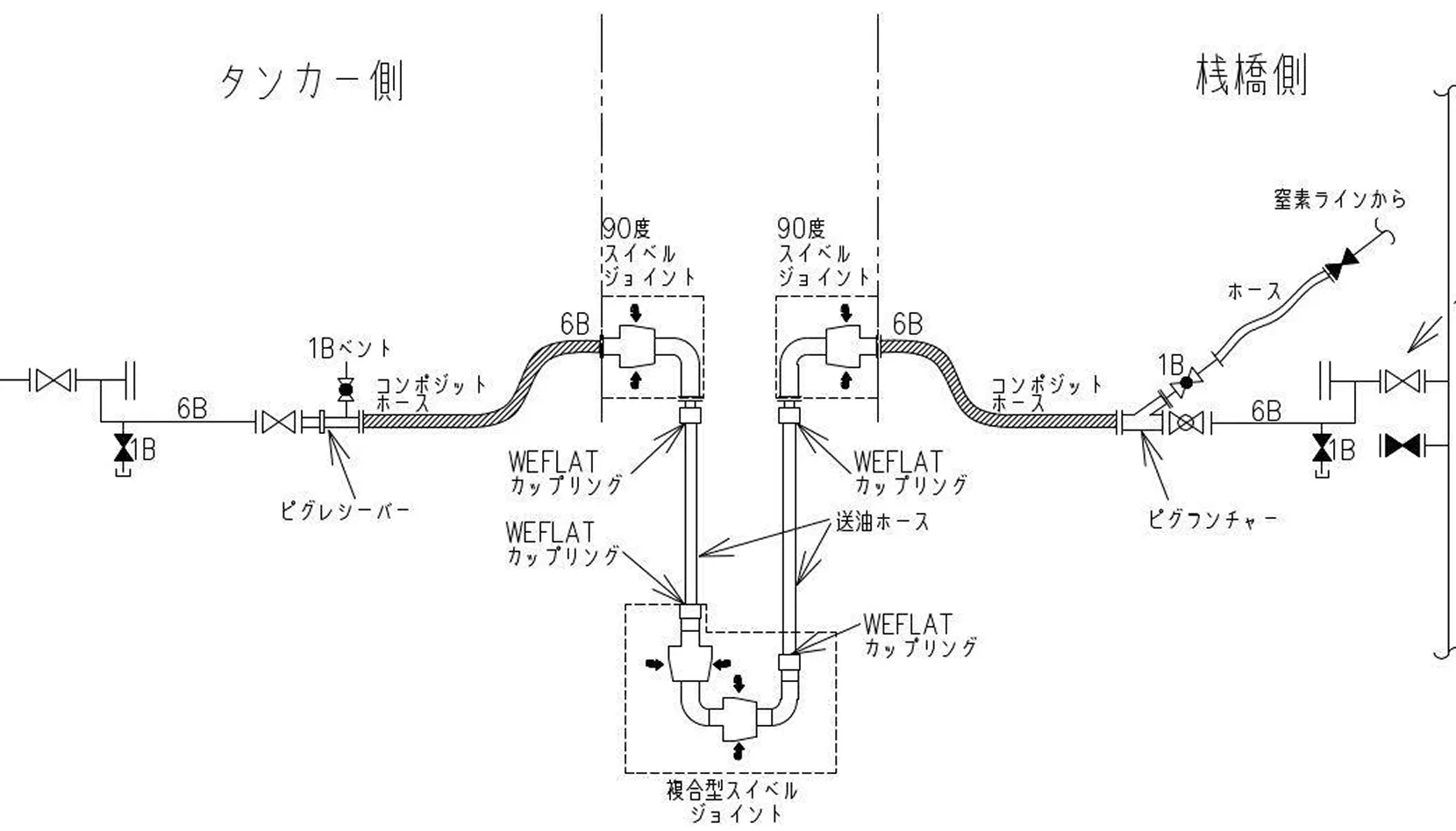
The diagram below shows an example of refueling a tanker from a pier.

When the boat is empty at high tide

満潮空船時の給油イメージ(拡大)

When the height of the pier and the height of the tanker are the same

桟橋の高さとタンカーの高さが同じときの給油イメージ(拡大)

Low tide, when the boat is full

干潮満船時の給油イメージ(拡大)
系統図の一例
Example of a family tree

Features

01

Pig System

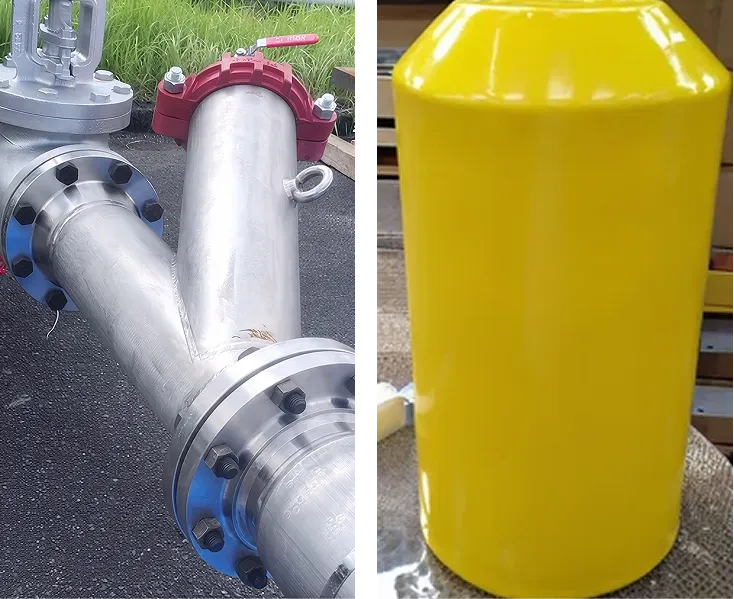
This system is equipped with a pig launcher and a pig receiver, and after oil delivery, the remaining oil can be discharged by pressurizing the pig.

Pig Launcher and Pig
ピグランチャーとピグのイメージ
Pigless
ピグレシーバーのイメージ
02

Swivel

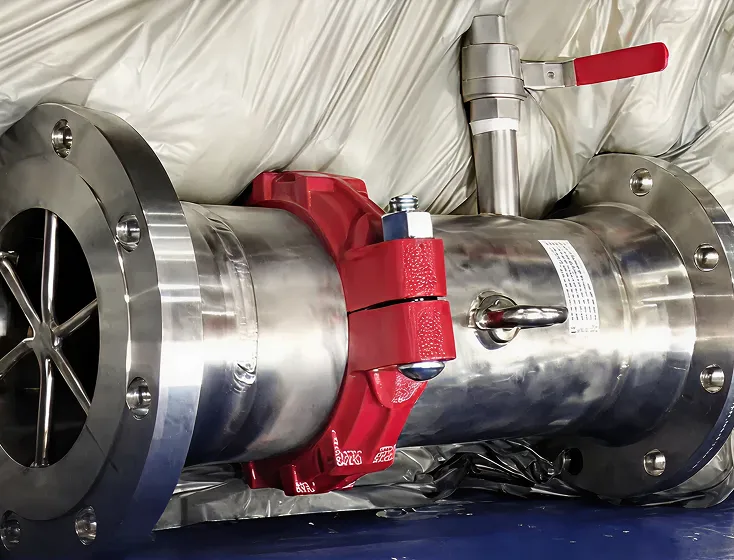
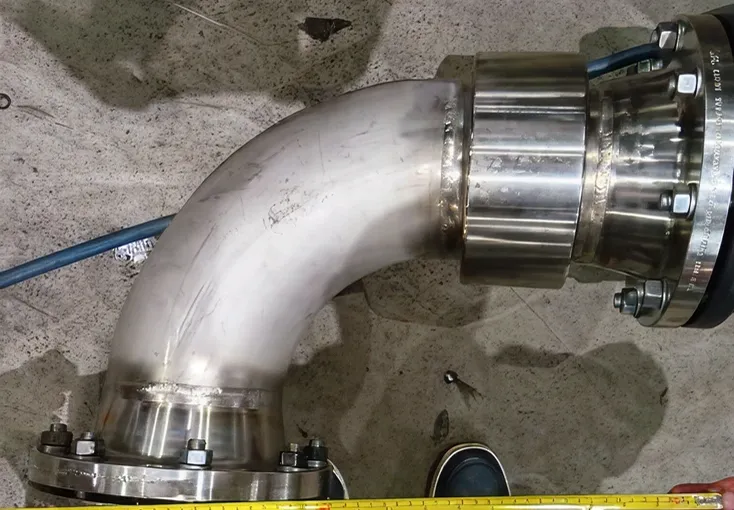
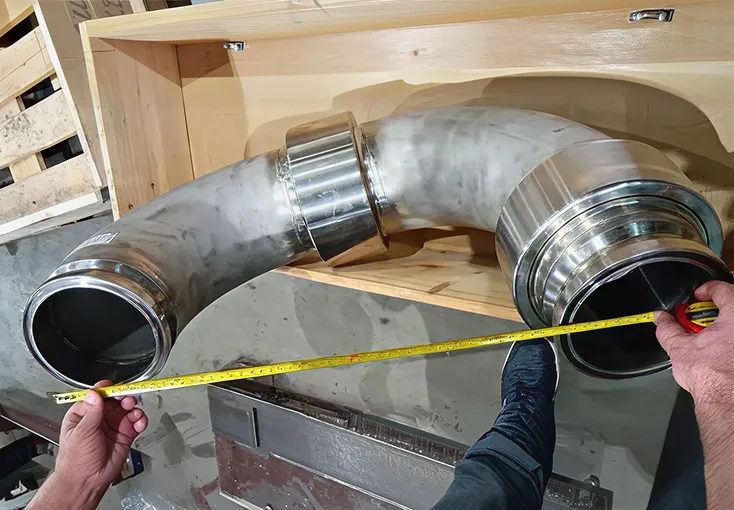
By installing 90-degree swivels at the extensions from the pier and tanker sides into the sea, and composite swivels at the connections between the fuel supply hoses, the hoses are designed to follow the tanker's refueling process, allowing for natural fuel delivery.

90-degree swivel
90度スイベルのイメージ
Composite swivel
複合型スイベルのイメージ
03

ANGUS Offshore Hose

The oil transfer hoses used in the offshore section are ANGUS offshore hoses, which are specialized for oil transport and have a proven track record overseas. Offshore hoses have the following features:

Sufficient durability and strong tensile strength

Designed for long-term use even in harsh environments, this hose is highly durable and maintenance-free.

Lightweight and easy to handle

It is lightweight at 2.73 kg/m (6-inch hose) and lies flat when not pressurized, allowing it to be easily wound up with a hose reel for storage, deployment, and retrieval.

Antistatic wire

The hose itself has an anti-static wire woven into it, and by plugging this end into a clamp, static electricity during oil delivery is discharged.

04

Regarding installation on piers and vessels

On the pier and on the tanker, robust composite hoses are used to accommodate the movement of the hoses during oil delivery.

05

Oil spill prevention measures

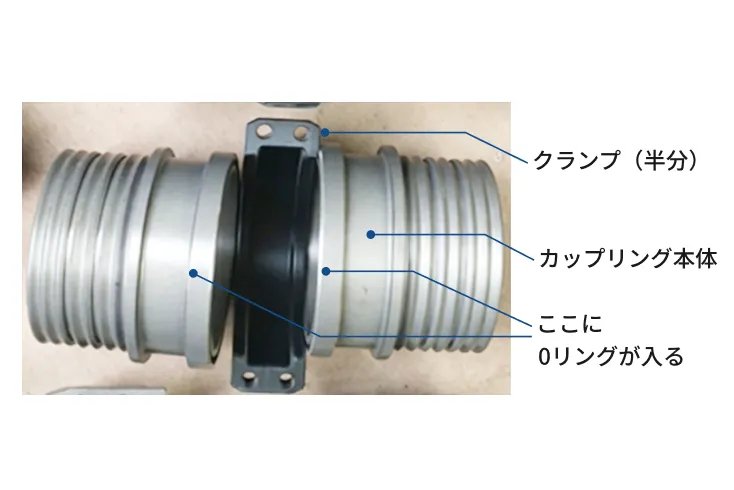
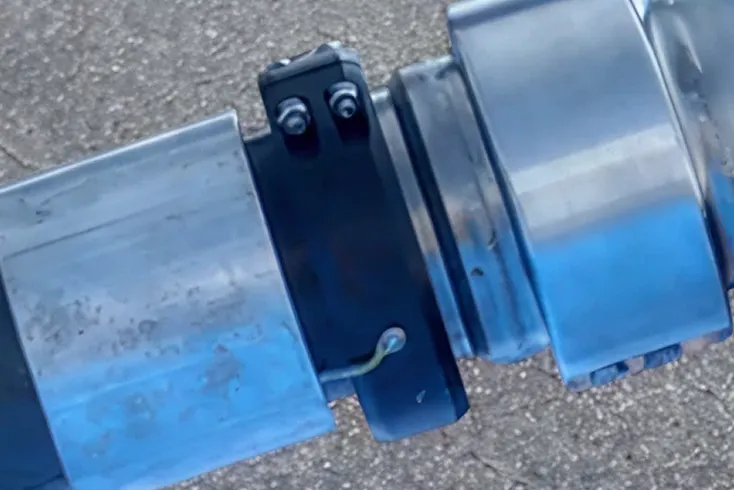
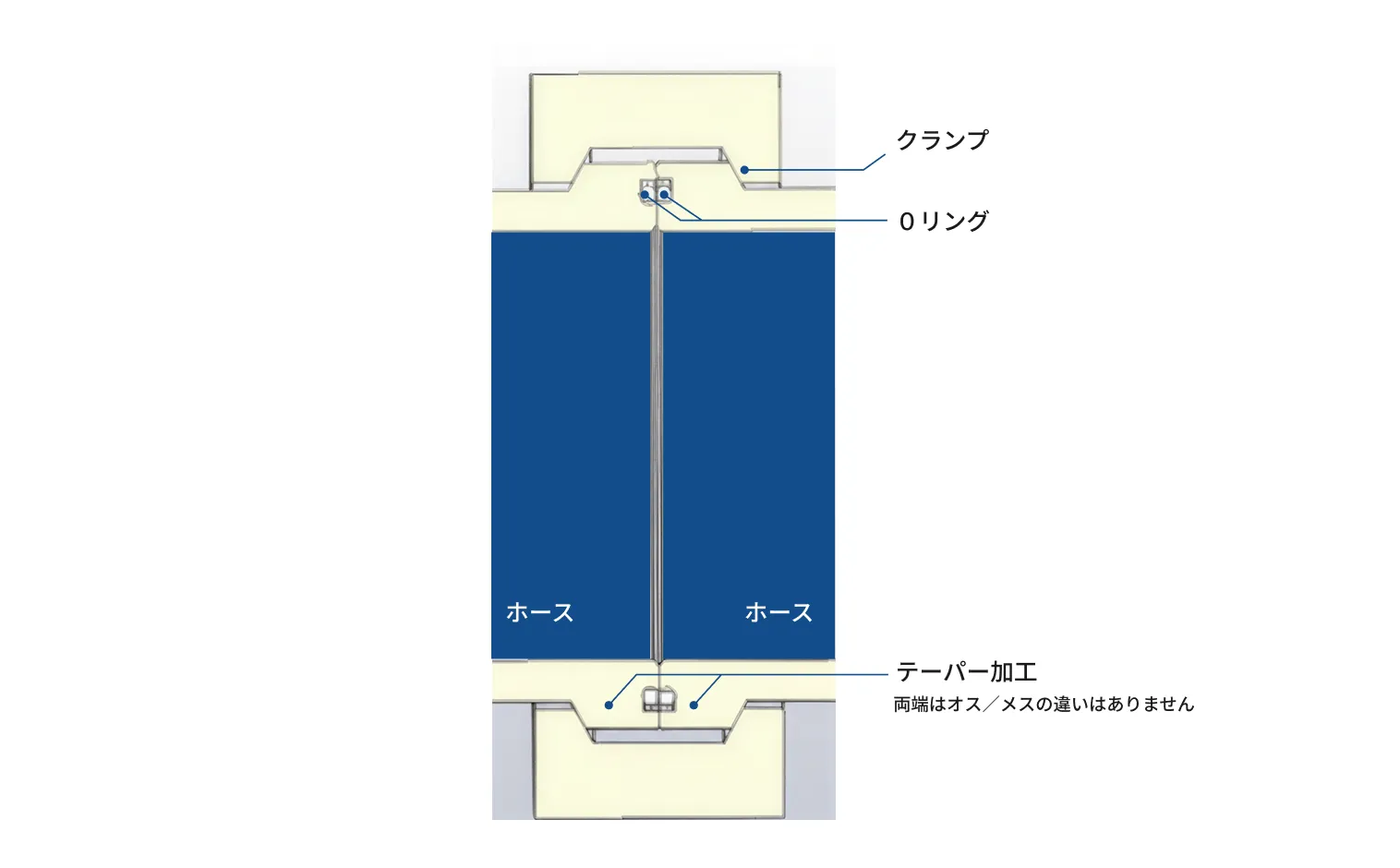
The oil supply hose connection uses anodized WEFLAT couplings. By tightening the tapered clamp, the oil-resistant O-rings inside the coupling make a firm contact, preventing leaks and ensuring safe oil supply.

Open clamp
クランプを開けた状態のWEFLATカップリング
Clamped together
クランプで結合された状態のWEFLATカップリング
Detailed diagram of the coupling surface attachment.
カップリング面着部の詳細図

catalog

A catalog of emergency alternative systems for loading arms using hoses can be downloaded here.

ホースを使用したローディングアームの緊急代替システム カタログ表紙